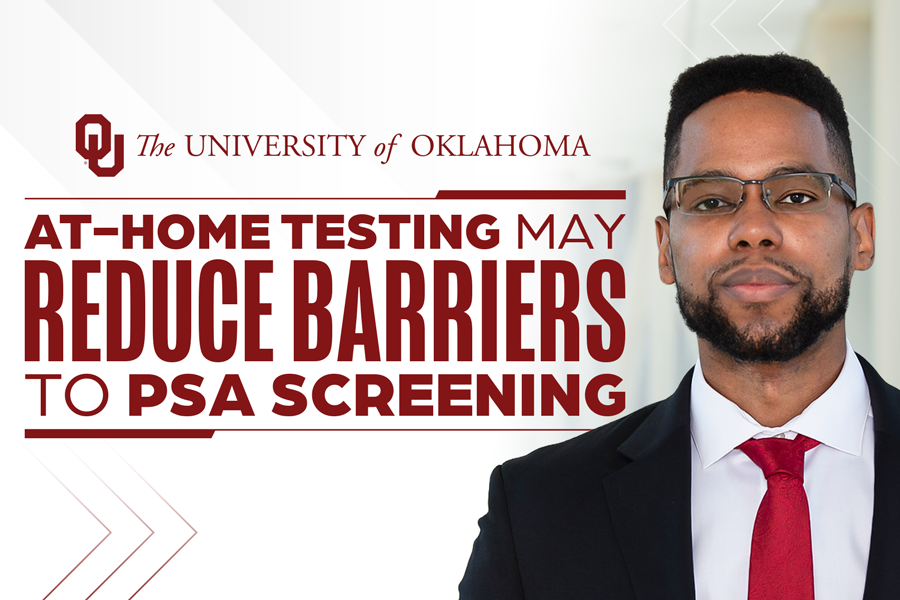
The University of Oklahoma secured a $2.9 million federal grant to test whether a smartphone app can increase prostate cancer screening among Black men in Oklahoma.
The five-year grant from the National Institutes of Health (NIH) will fund a clinical trial of Connect2Care, an app that guides users through at-home prostate-specific antigen (PSA) blood testing, the university announced Sept. 2. Black men in Oklahoma die from prostate cancer at two to four times the rate of other racial groups, according to the announcement.
The trial will enroll 684 Black men in Oklahoma, ages 55 to 69, who have not had recent PSA screening.
"When prostate cancer is detected in later stages, the five-year survival rate plummets as low as 33%. But when it is detected early, the survival rate is between 90% and 100%," said Adam Alexander, the study's principal investigator and an assistant professor in the OU College of Medicine.
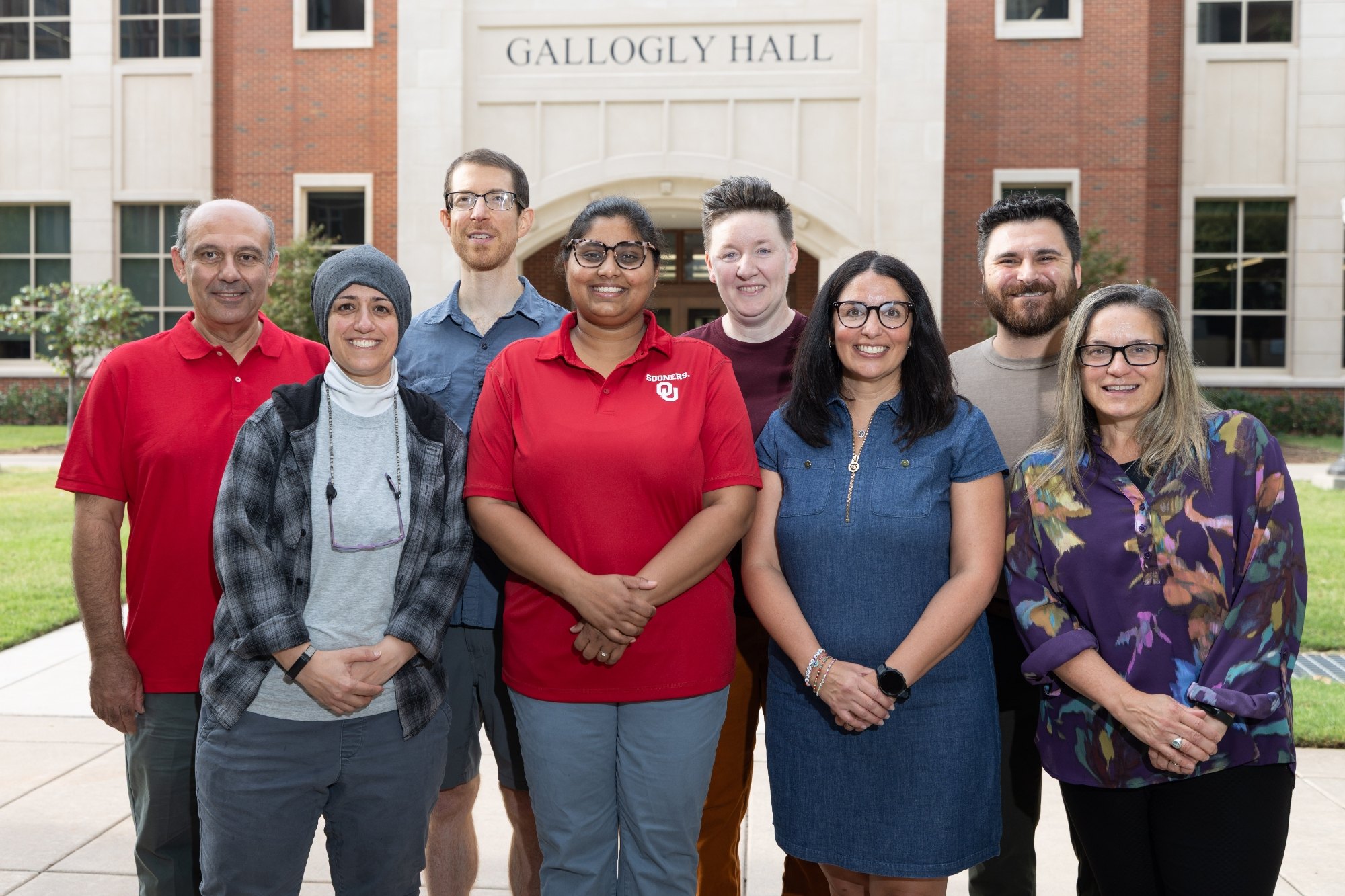
Alexander is a member of the TSET Health Promotion Research Center at OU Health Stephenson Cancer Center. Jordan Neil, also an assistant professor in the OU College of Medicine and a member of the same center, serves as co-principal investigator.
How the trial works
Participants will be randomly assigned to one of three groups: the Connect2Care app, which pairs prostate cancer education with an at-home PSA test kit; a U.S. Preventive Services Task Force (USPSTF) app offering basic information; or usual care, which consists of a brochure about PSA screening.
After 30 days, researchers will check whether participants completed screening. A six-month follow-up will track whether men with elevated results sought treatment.
The Connect2Care app provides culturally tailored education, helps users assess personal risk and connects them with medical professionals. It also includes a feature that lets users request a confidential call with a prostate cancer survivor from their own community.
Neil said the peer-connection feature helps overcome stigma around screening. Men who spoke with survivors in the pilot study were more open to getting tested, he said in the university's announcement.
Earlier results and next steps
Early results were promising. In a pilot study, Black men who used Connect2Care learned more about prostate cancer and were more likely to complete the at-home PSA test than men who used the USPSTF app. The NIH grant, funded through the National Cancer Institute, will allow the team to test the app in a much larger group.
Researchers identified transportation, work and family commitments, cost and lack of healthcare access as barriers that keep men from in-person screening. If the trial succeeds, the team envisions integrating Connect2Care into medical facilities' regular workflows.
The Tobacco Settlement Endowment Trust (TSET) funds the Health Promotion Research Center, and the Presbyterian Health Foundation supported the app's development.
Men interested in joining the trial can email [email protected] or call (405) 443-3994.