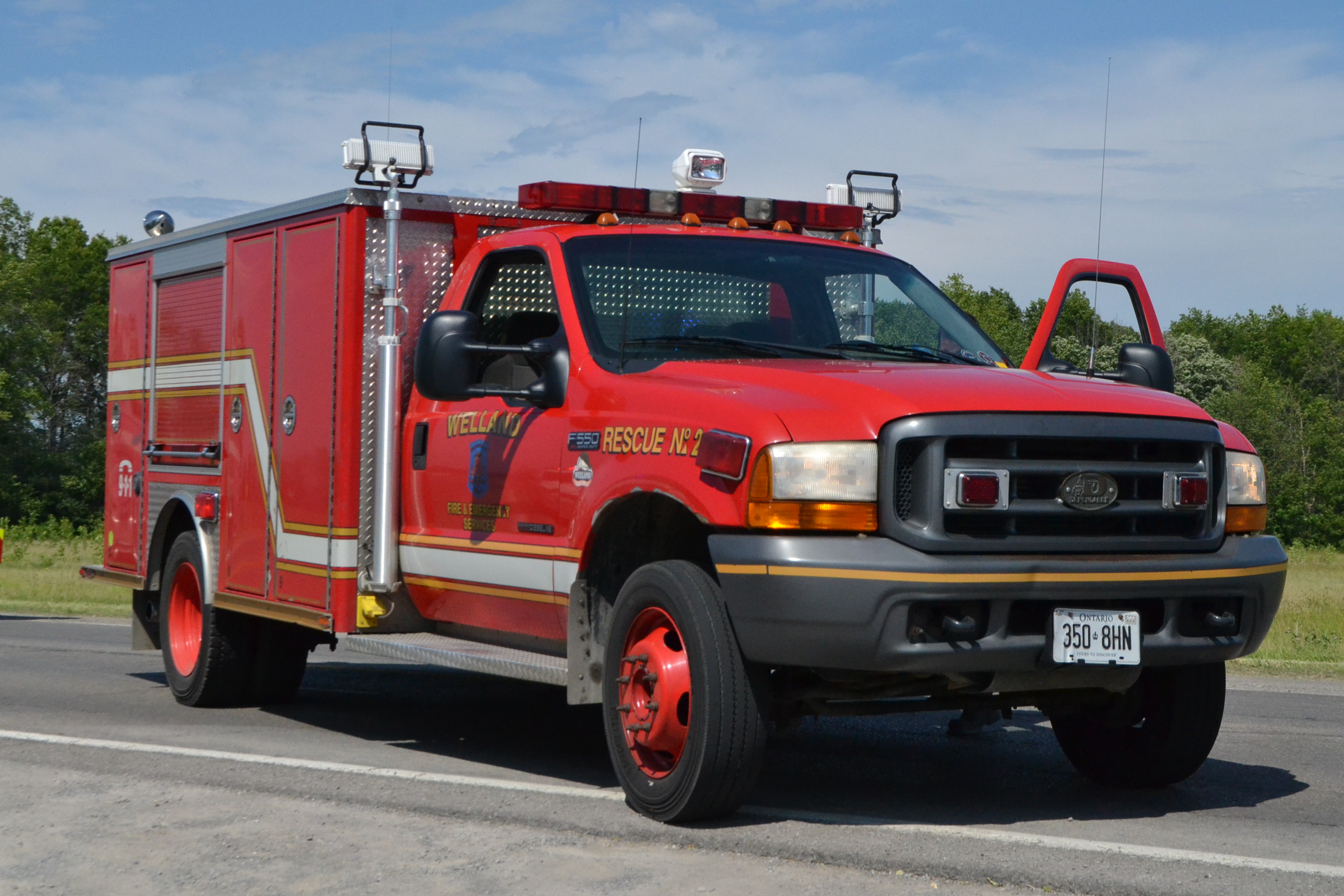
Norman could start billing insurance companies for fire department responses to vehicle crashes and hazmat spills, a move projected to bring in about $182,621 a year once fully running.
Norman Fire Department Deputy Chief Joel Chesser pitched the cost recovery system to the City Council at a study session Tuesday, Sept. 29. Under the proposal, insurers and potentially at-fault drivers would be billed when firefighters respond to motor vehicle accidents, hazardous materials incidents and certain fires, according to the OU Daily, which first reported the discussion.
Chesser told the council the program would not cover most house fire responses, medical calls or what the department calls "public assist" calls.
California-based Fire Recovery USA would administer the billing. The company works with more than 1,900 fire departments in 43 states, including departments in Tulsa and Guthrie. It charges no upfront fee, instead taking 20% of revenue collected.
A city presentation prepared June 3 forecasts $234,130 in total annual billings based on 284 motor vehicle accident responses per year. After Fire Recovery USA's 20% cut, the department would net an estimated $182,621 annually. First-year revenue could be as much as 50% lower, with full collections expected within two years. Average payment takes about 95 days from submission.
Billing rates for vehicle accidents would range from $637 for basic scene stabilization to $886 for a car fire, with an extrication add-on of $1,915. Hazmat responses would range from $1,029 to $8,673 depending on severity.
The presentation flagged several unresolved questions. Among them: how to handle uninsured drivers, which the department identified as a potential discriminatory billing issue. The city also has not decided whether to bill drivers in no-fault accidents, such as hitting a deer, or where the revenue would go, whether back to the fire department or into the general fund.
Staffing is another hurdle. The presentation stated that current fire department staffing cannot absorb the additional administrative work the billing system would require.
Mayor Stephen Tyler Holman said at the session he wants to ensure the program pays for itself. "I want to make sure that we're recouping the cost of added time to the fire department to administer (the system)," Holman said.
City Manager Darrel Pyle signaled the proposal is not dead but not urgent, saying the council did not reject it outright. "This is absolutely something we can work on in the spring," Pyle said at the study session.
The cost recovery discussion comes as the department faces broader resource constraints. A city-commissioned study presented in February 2025 recommended three new fire stations and 78 additional firefighters to meet a five-minute response-time goal. As of March 2026, the firefighters' union said none of those changes had been made, OKC Fox reported.
Adopting the billing program would require a new city ordinance. No vote date has been set.