A University of Oklahoma researcher received a $2.6 million federal grant to study how high-fat diets may fuel pancreatic tumor growth.
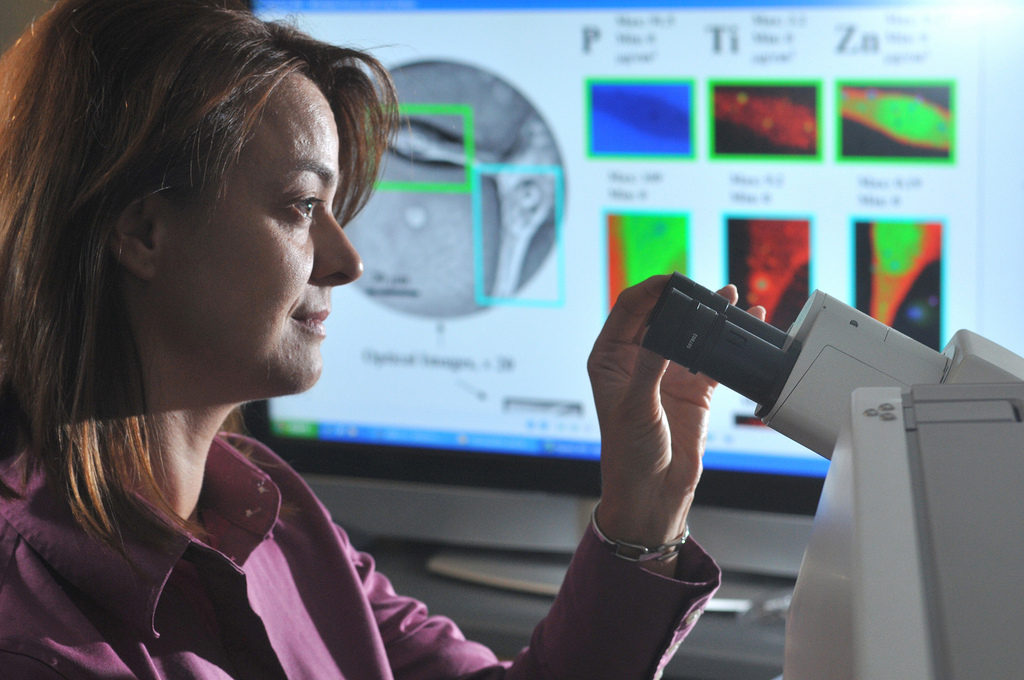
Kamiya Mehla, associate professor of oncology science in the OU College of Medicine and a research member of OU Health Stephenson Cancer Center, is leading the five-year study funded by the National Cancer Institute, according to the university. Pancreatic cancer is closely associated with obesity, which can be influenced by diet.
In preliminary studies, Mehla and her team found that mice with pancreatic cancer fed a lard-based high-fat diet developed more aggressive tumors than mice fed a diet with the same number of calories but much less fat. Those mice also showed increased numbers of immune cells called granulocytes, which the researchers found can interfere with the immune system's ability to fight cancer.
"When anti-tumor immune cells take in a lot of fat, they become functionally impaired and their anti-tumor activity goes down," Mehla said in the university's announcement. "The tumor cells are forcing the immune cells to take in more fat – we want to understand how that is happening."
The new grant funds the next step. The team is examining whether excess fat directly changes the metabolism of pancreatic cancer cells. They hypothesize that a diet high in monounsaturated fats may give tumors greater access to fats, fueling their survival and uncontrolled growth.
Leah Hoffman Anderson, a professor in the Department of Nutritional Sciences at the OU College of Allied Health, is serving as co-investigator. Anderson, a registered and licensed dietitian, has experience working with patients who have cachexia, a condition of severe muscle and weight loss common in pancreatic cancer that can weaken patients and make treatment harder to tolerate.
Anderson said dietitians have typically encouraged patients with cachexia to eat high-calorie foods to maintain weight. She said this research could help dietitians better understand how to meet the nutritional needs of pancreatic cancer patients while accounting for the possible effects of dietary fat on tumor growth.
"Many patients and their families ask what they should or shouldn't be eating," Anderson said in OU’s announcement. "We hope this research will help us provide patients with guidance based on scientific evidence."
Alongside mouse experiments, the researchers will analyze human pancreatic cancer tissue to look for metabolic changes related to what they observed in animal models.