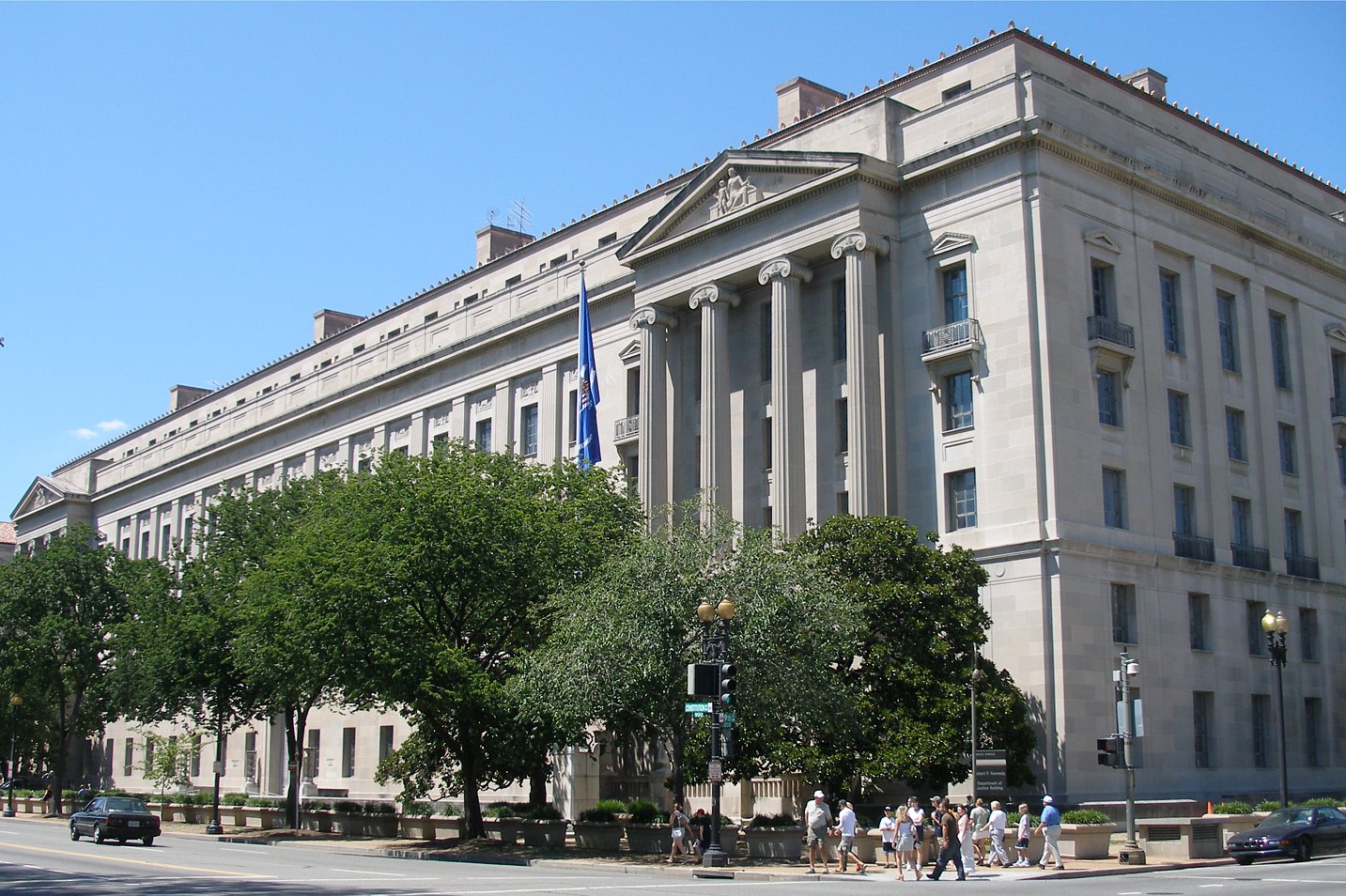
Federal election monitors are on the ground in Oklahoma, Tulsa and Muskogee counties Tuesday, Nov. 3, but Cleveland County is not among the DOJ’s announced monitoring locations.
The U.S. Department of Justice deployed approximately 1,000 monitors to polling locations in all 50 states, a first in the agency's history. The DOJ called it the "largest monitoring effort in history," coordinated by the department's Civil Rights Division.
Oklahoma's three monitored counties include the state's two most populated, Oklahoma and Tulsa, along with Muskogee County, which has an estimated population of 66,700, according to the Tulsa Flyer.
The DOJ has not disclosed which specific polling places within those counties will be monitored or at what times, according to Senate Democratic Leader Julia Kirt, D-Oklahoma City.
What monitors can and cannot do
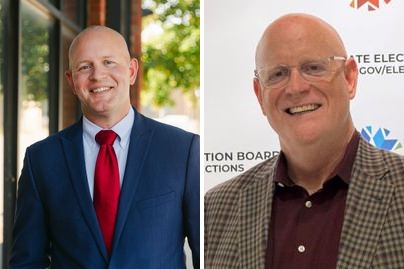
State Sen. Mary Boren, D-Norman, and Kirt spoke with State Election Board Secretary Paul Ziriax to clarify the rules, according to NewsOn6. The restrictions they outlined:
- Monitors cannot enter polling places.
- They must stay at least 300 feet from polling locations to interview voters, and any interview is voluntary.
- Monitors cannot carry weapons.
- They will not wear uniforms or visible badges.
Ziriax said he expects the monitors to follow state law. "DOJ officials confirmed to Oklahoma election officials on Thursday that the monitors will follow state law, will not enter polling places, and will not take any action that intrudes on the voting process," Ziriax said, according to The Oklahoman.
Oklahoma lawmakers react
Oklahoma lawmakers expressed confidence in the state’s elections, while some Democrats criticized the deployment. State Rep. Meloyde Blancett, D-Tulsa, called the federal action "political fearmongering" and said she believes monitors are meant to intimidate voters, the Tulsa Flyer reported.
State Sen. Dave Rader, R-Tulsa, said the DOJ would find Oklahoma has more secure elections than "49 other states." He praised the state's election workers.
"Oklahomans know how to protect the elections in our state," Boren said in an Oklahoma Farm Report story. "People need to know what to do if concerns are raised."
State Rep. Aletia Timmons, D-Oklahoma City, organized volunteers to record video at polling places in Oklahoma County, according to KOSU. Timmons said the videos could serve as evidence if the legitimacy of votes at a precinct is challenged.
National context
The DOJ has sent election monitors since the Voting Rights Act passed in 1965, but the agency called this year's operation its largest ever. The department monitored 86 jurisdictions across 27 states in the 2024 presidential election, according to the DOJ’s 2024 announcement. Newsweek reported that 289 monitors were deployed for the 2022 midterms and 714 for the 2024 presidential election.
Voting rights groups, including the NAACP, say they believe the expanded federal presence could suppress turnout and disenfranchise voters, particularly from minority communities, according to USA Today. The DOJ has said its personnel must follow legal and ethical restrictions, according to Newsweek.
In an Oct. 28 court filing, the department said FBI and Immigration and Customs Enforcement agents will not serve as monitors, Newsweek reported. Monitors will not carry firearms or exercise law enforcement authority, according to court documents cited by Newsweek.
How to report concerns
Voters who experience problems at the polls should ask for the precinct inspector, the lead election worker at their polling location. The ACLU is operating a voter protection hotline at (405) 849-5220. The DOJ's election issues hotline is 1-800-253-3931.
Polls are open 7 a.m. to 7 p.m. Tuesday, Nov. 3.